I’ll be honest. Most parents (including me at one point) do not worry much about cavities until a child suddenly says, “My tooth hurts,” usually right before bedtime. And then panic kicks in. Kids love sweets, they snack nonstop, and brushing is often rushed because they want to run back to play. So it’s not surprising that cavities show up more often in children.
What surprised me, though, was how early a Pediatric Dentist can detect problems. The first time I took my niece for a checkup, nothing looked wrong to us. But the dentist gently pointed to tiny chalky spots and said, “These are the beginnings of cavities.” I couldn’t even see them properly, but apparently that’s how early decay starts.
That moment made me realize children’s teeth need different care than adults. Their enamel is softer, their brushing is clumsy, and they simply don’t understand the idea of dental hygiene yet.
A Real Look at Why Kids Get Cavities So Easily
One thing the dentist explained sticks with me: “Children don’t get cavities overnight. It happens slowly, quietly.”
And when I thought about how kids eat, it all made sense.
They snack constantly
They sip flavored milk
They chew biscuits and gummy candies
They forget to rinse their mouth
They brush quickly just to get it done
It’s not bad parenting. It’s simply childhood.
What Pediatric Dentists Actually Do Differently
This part surprised me the most. A pediatric dentist is not just a dentist with a tiny chair in the clinic. They study child behavior, tooth development, and even how certain habits (like mouth breathing or thumb sucking) change the shape of the mouth over time.
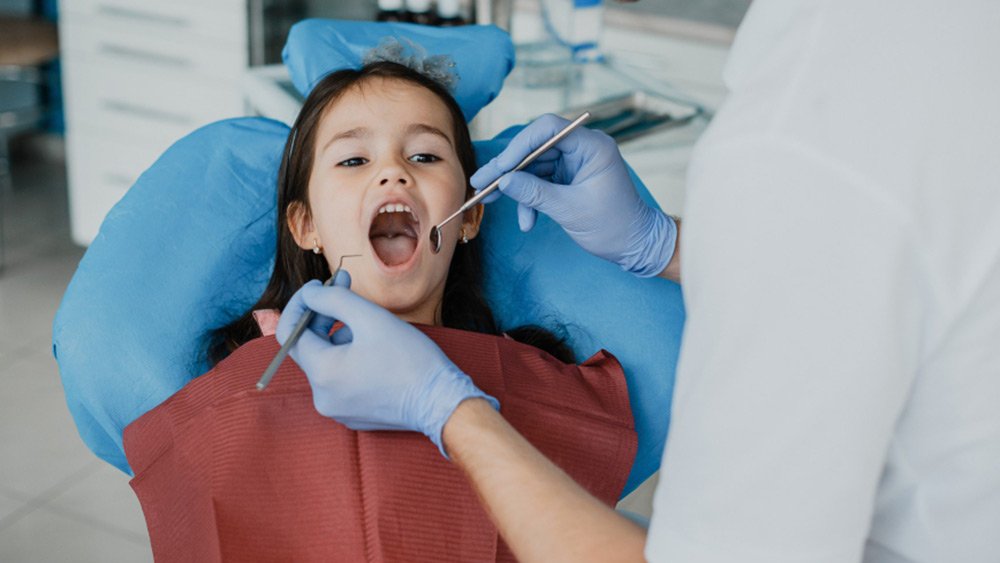
During our visit, the dentist:
Used tiny tools that didn’t scare my niece
Checked the grooves of her back teeth
Showed us plaque we couldn’t see
Explained how brushing can miss deep areas
Gave small tips that were genuinely helpful
It didn’t feel like a formal dental appointment. It felt more like a friendly lesson for parents who don’t know everything (which is all of us).
Cleanings Aren’t Just “Polishing”
Kids may brush, but they don’t get into the corners of their molars. The dentist showed us how food gets stuck in grooves, especially in the back teeth. I was shocked at how much can stay behind even after brushing.
A quick cleaning removed it all.
And honestly, the teeth looked completely different afterward.
The Fluoride Treatment Moment
When the dentist suggested fluoride, I hesitated. I had heard all sorts of things online. But she explained it simply:
“Fluoride strengthens the enamel. It keeps weak areas from turning into cavities.”
She applied it like paint. No pain, no drama, just a small brush.
My niece didn’t even blink.
Sealants: The Hero We Never Knew About
Sealants were something I had never heard of before. They are basically a protective layer for the chewing surfaces at the back of the mouth.
Kids’ molars have deep pits; food gets stuck in them all the time.
The dentist said sealants can prevent most major cavities in those areas. It’s painless, quick, and lasts years. Honestly, it felt like a superpower for kids’ teeth.
Learning the Right Habits (The Hardest Part)
Brushing is easy for adults but a battle for kids. The dentist didn’t give unrealistic advice. She said:
Make brushing a game
Use flavored toothpaste kids like
Show them how to reach side teeth
Brush together as a family sometimes
Keep sugary snacks limited to certain times
It wasn’t about strict rules. It was about practical routines that kids would actually follow.
Why Early Dental Care Matters More Than We Think
The biggest lesson I learned from that visit? Cavities don’t always hurt at first. By the time a child complains, the decay is usually deeper and harder to fix.
Regular pediatric visits:
Catch cavities early
Reduce the need for drilling
Help kids feel comfortable with dentists
Protect their future smile
Save parents money and stress
The earlier you start, the easier everything becomes.
Dr. Sivababu has completed MDS in oral & maxillofacial surgery from the college of dental sciences, davangere . he is also trained in oral cancer surgery from Mahatma Gandhi cancer hospital Visakhapatnam .he has an extensive expertise in implant placement, maxillofacial trauma, and orthognathic surgeries.