
Is Knee Joint Replacement Painful? Honest Truth from an Orthopedic Surgeon
- Dr. Saem Ishtiaque
- 24.12.2025
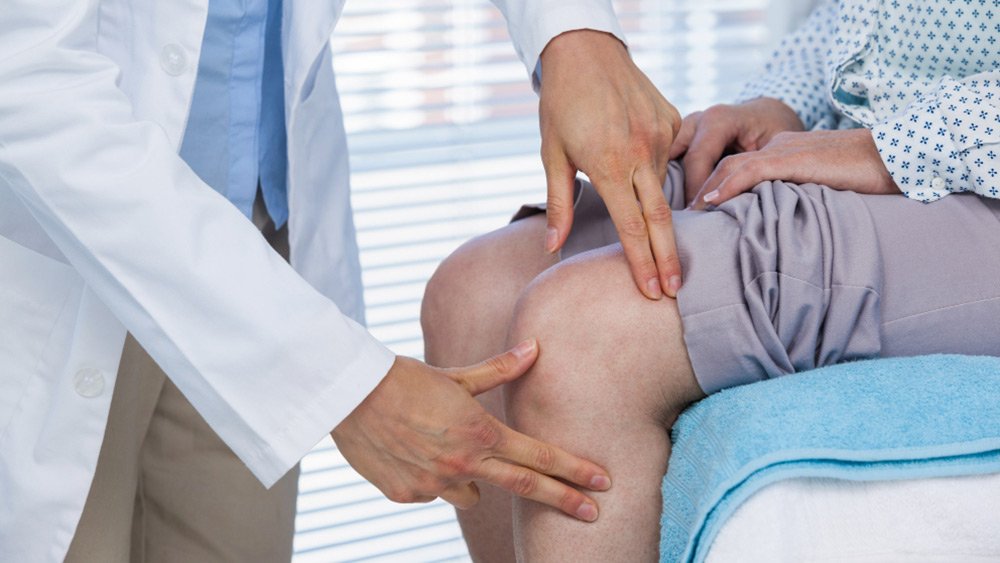
For many people, deciding whether to go for knee replacement is not easy at all. By the time they come to a clinic, they’ve usually spent years adjusting their lifestyle around knee pain.
Some avoid long walks, some hold the railing with both hands while climbing stairs, and a few even plan their day based on how bad their knee feels. So it makes sense that the first thing they ask is not about the implant or the hospital stay. It is simply
Will it hurt
If you talk to an experienced orthopedic surgeon, you will hear a surprisingly reassuring answer. The idea of unbearable, sleepless nights after surgery is mostly a leftover fear from older surgical methods. Modern knee replacement is a very different experience. Pain does exist, yes, but it is controlled and predictable. Nothing like what patients imagine in their minds.
What Knee Replacement Actually Means
Many people think the entire knee is removed, which is not true. Only the damaged surfaces are replaced with smooth artificial parts. These new surfaces help the joint glide better, so movements like getting up from a chair or climbing stairs become easier again.
When doctors suggest the surgery
- When medicines just stop helping anymore
- When walking a short distance feels exhausting
- When knee pain starts interfering with sleep or mood
- When joint stiffness makes daily chores harder
- When X rays show severe arthritis
No doctor recommends surgery casually. They check everything before guiding a patient.
Does the Surgery Hurt
Almost everyone relaxes once they understand this part.
The surgery itself does not hurt.
You are given anesthesia that blocks all sensation below your waist. Some patients stay awake and chat a little, while others prefer sleeping through the entire procedure. Either way, pain is not part of the experience.
During the operation, patients usually describe the feeling as:
- A floating kind of calmness
- Heaviness or numbness in the legs
- Awareness of the room but no fear
Even the most anxious patients later admit the surgery was easier than expected.
What Happens After the Operation
Now this is where people get nervous, and understandably so. After the numbness wears off, you do feel some soreness. But the discomfort is manageable. Doctors keep a strict pain control plan ready, so patients do not suffer unnecessarily.
The recovery timeline often goes like this:
- First day feels strange but not unbearable
- Mild swelling and pressure for a few days
- Walking with support usually begins within twenty four hours
- Sharp pains slowly settle into a mild ache
- By two to three weeks, many people manage daily activities comfortably
The pain comes in waves, but it always moves in the direction of improvement.
Why Knee Replacement Hurts Much Less Now
If you’ve heard painful stories, they are probably from the early days of knee surgery. Today’s technology has made significant advancements.
What makes the modern experience easier
- Smaller cuts that disturb fewer tissues
- Advanced nerve blockers that keep the knee numb for hours
- Better surgical tools with high precision
- Faster post surgery mobilization
- Improved implants that feel more natural
These changes have reduced pain more than most people realize.
How Doctors Help You Manage Pain
Pain control is not left to chance. Doctors use several methods at the same time.
Common ways pain is eased
- Scheduled medicines before pain peaks
- Ice packs to reduce swelling
- Elevating the leg
- Controlled exercises with a physiotherapist
- Long-lasting nerve injections
Patients usually walk with support the very next day, which surprises many.
How Recovery Actually Feels to a Patient
If you ask someone who recently had the surgery, they often describe recovery like a slow sunrise. At first there is stiffness and tightness. Then movement becomes easier. Some days feel slow, others feel surprisingly good.
Most patients say things like:
- Bending the knee felt challenging at first
- Walking became easier much quicker than expected
- Confidence returned slowly, but steadily
- Real relief came when daily pain disappeared
With proper Knee Treatment and physiotherapy, the majority feel grateful they went through with it.
When Should You Call Your Doctor
Even though recovery is usually smooth, a few signs need attention.
You should call the surgeon if you notice:
- Sudden rise in pain
- Redness or unusual swelling
- High fever
- Difficulty moving the leg
A quick call can prevent minor issues from becoming bigger ones.
Why the Right Surgeon Matters So Much
Knee replacement is as much about the skill of the surgeon as it is about the implant. A highly trained Orthopedic Doctor handles tissues more gently, aligns the joint more accurately, and guides you through every stage of recovery. This reduces pain and speeds up healing.
FAQs
Is knee replacement extremely painful
No. Pain is present but controlled well with modern methods.
Will I feel anything during the operation
No, anesthesia blocks all sensation.
When does the pain start improving
Most people notice a big difference within two or three weeks.
Can I walk the next day
Yes, most patients walk with support within a day.
Orthopedic Specialist
Dr. Saem Ishtiaque, is a highly qualified, experienced in orthopedic treatment and an accomplished clinician. He has experience treating thousands of people and helping them to lead better lives. After completing a well-rounded PG program he came back to Kolkata where he pursued his senior residency at the prestigious Nil Ratan Sircar medical college and hospital.
Member Since Dec 2025