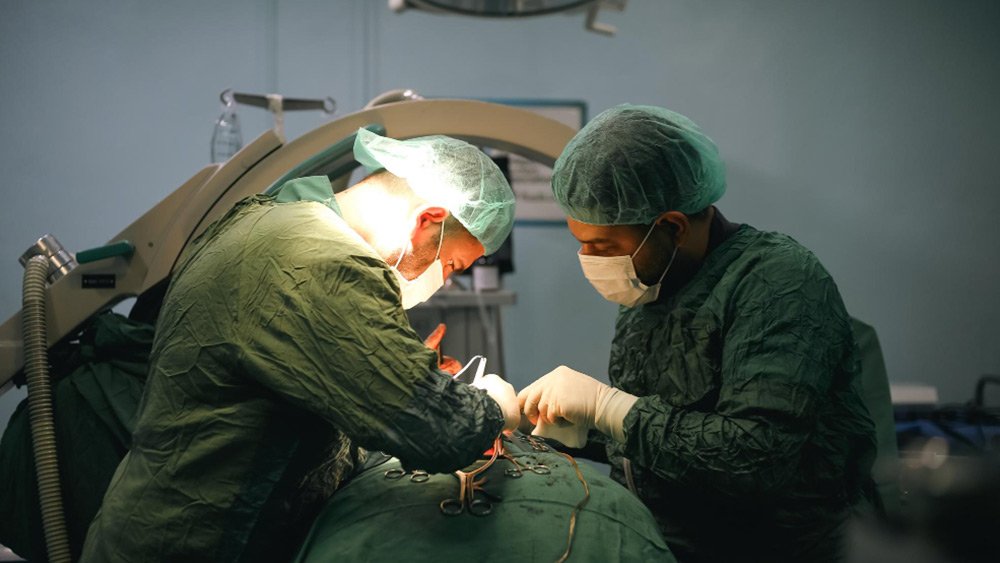
The moment someone hears the words “open heart surgery,” a little fear usually kicks in. And to be honest, that’s completely natural. Most people picture long hospital stays, painful recovery, and a procedure that sounds far too complex.
But the truth today? It’s quite different.
Thanks to today’s medical advances, heart surgery doesn’t look anything like it did years ago. Surgeons now work with incredibly precise tools, smarter machines, and techniques that make the whole process safer. Something that once sounded frightening has become a reliable, life-saving procedure — with recovery that’s usually far smoother than people expect.
Let’s gently clear up a few common myths — because the right information can take away a lot of unnecessary worry.
It’s absolutely normal to feel nervous about any major surgery. But open-heart surgery today isn’t what it was decades ago.
Modern anaesthesia is safer, surgical techniques are more refined, and continuous monitoring keeps patients stable throughout the procedure.
Most patients recover well, return to their daily routines, and go on to live active, healthy lives.
In fact, many of them later say, “I wish I hadn’t been so scared in the beginning.”
This one surprises a lot of people. While it’s true that older adults often need cardiac procedures, heart problems can appear at any age. Some younger patients are born with valve issues; others develop blockages earlier due to lifestyle, stress, or genetics.
So open-heart surgery isn’t about age — it’s about the condition of the heart.
Heart disorders can affect people of all ages. People under 30 who were born with heart problems, develop heart problems because of their lifestyle, or have inherited heart abnormalities may also need surgery. Age alone doesn’t mean you need surgery; the severity of your heart issue does. Specialists can undertake Open Heart Surgery on people of various ages.
Fact: Recovery is different for everyone, but it’s not as slow as most people imagine. Most people can walk again in a few days and get back to their normal activities in a few weeks.
Modern medicine, along with physiotherapy and cardiac rehabilitation, speeds up recovery and makes it easier. A lot of clinics that do open-heart surgery also have guided programs for patients to help them safely regain their strength after the surgery.
Fact: Heart surgery can often make your life better. Once the major problem is fixed, most people can go back to their normal life, work out, and even travel. Staying healthy afterward is simpler than most people think. Simple habits can make a big difference — eating heart-healthy meals, staying active in ways you enjoy, and taking your medicines as your doctor advises.
These small routines help keep your heart strong in the long run.
Fact: That’s not necessarily true anymore. With modern techniques, many surgeries are done through much smaller openings, so the scars are often minimal and the healing is easier than most people expect. Surgeons often use smaller incisions — sometimes called “keyhole” or minimally invasive approaches — which means less scarring and a shorter hospital stay.
It’s a huge relief for many patients who worry about how they’ll look or feel after surgery. Many centres that perform open-heart surgery now prefer these newer techniques whenever possible. Why? Because patients tend to heal faster, move around sooner, and yes — the scars are usually smaller and neater. And that makes a big difference to confidence during recovery.
Fact: Heart conditions don’t always announce themselves loudly. Some of them quietly get worse in the background. Honestly, many people feel perfectly fine until suddenly they aren’t — and by then, the damage can be serious. Problems like valve disease or blocked arteries can lead to stroke or heart failure if ignored for too long.
So even if your discomfort is mild (or you have no symptoms at all), your doctor may still recommend open-heart surgery. Not to scare you — but to protect you from bigger issues later. Early treatment usually means safer surgery and a smoother recovery.
A lot of people hesitate to seek treatment simply because they’re anxious or they’ve heard things that aren’t true. Feeling unsure is perfectly normal. Most people feel the same way at first. But once you understand what open-heart surgery in Surat actually involves, that fear slowly starts to loosen its grip.
With modern technology, experienced surgeons, and much stronger safety practices, this procedure has changed completely. Something that once felt overwhelming is now one of the most trusted, life-saving options in heart care.
So if your doctor recommends surgery, pause for a moment and breathe. Share your concerns openly, clear up your questions, and get a sense of what to expect.
And remind yourself gently — this isn’t something that should keep you up at night.
It’s a step toward feeling stronger, staying healthier, and returning to the life you’ve been missing.