When couples have trouble getting pregnant, most people think that something is wrong with the mother. But medical research shows that male infertility is responsible for over 40–50% of all infertility occurrences.
But it is still a subject that many are afraid to talk about and feel ashamed of.
A man’s fertility can be affected by a number of things, including a low sperm count, poor sperm motility, an irregular sperm shape, hormone problems, lifestyle choices, and even genetics. The good news is? With today’s reproductive technologies, including ICSI and other treatments, male infertility is no longer the problem it used to be.
Let’s look more closely at male infertility, what causes it, and how ICSI is helping couples get past it.
Male infertility is not a sickness; it is a medical condition that may often be remedied or managed well. Some of the most common reasons are:
For natural conception to happen, a normal sperm count is very important. Low production makes it less likely that sperm will reach and fertilize the egg.
Sperm must be able to travel vigorously through the female reproductive canal, even if the count is normal. It is hard for sperm to fertilize an egg if they are slow or feeble.
Sperm that isn’t shaped right may have trouble getting into the egg.
Testosterone, FSH, and LH are some of the hormones that are very important for making sperm. Any kind of imbalance might affect fertility.
Veins that are too big around the testicle might change the quality of sperm and how well the body regulates its temperature.
Some infections might limit the number of sperm or induce blockages.
Smoking, drinking, doing drugs, being overweight, being stressed, not getting enough sleep, and being around heat (such in saunas or when you have a laptop on your lap) can all make sperm less healthy.
Genetic problems that impact sperm production or transport can sometimes cause infertility.
Even though these problems are hard to deal with, many men who can’t have children go on to become fathers, thanks to new treatments like ICSI.
Men don’t usually display any signs of infertility on the outside, unlike women. Most guys don’t find out they have a problem until they’ve been trying to get pregnant for months or years.
In many cases, a simple semen analysis is all you need to know what’s going on.
Not addressing the problem or putting off the diagnosis can lower the chances of success later on, especially if the woman’s age is a problem.
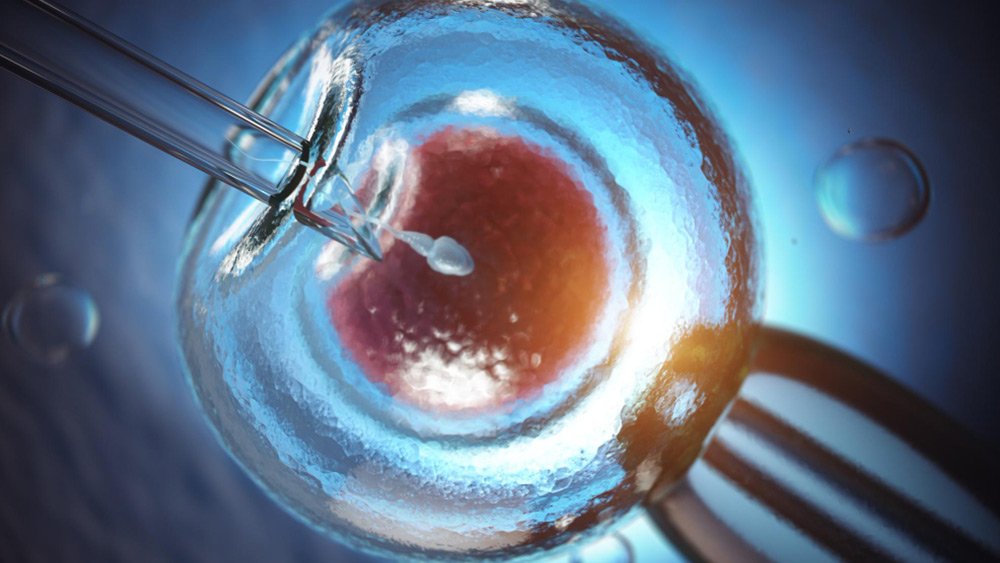
ICSI helps get over practically every problem that male infertility might cause:
You only need one healthy sperm for each egg.
ICSI works whether sperm move slowly or not at all.
Embryologists look at sperm under a microscope and pick the one that seems the healthiest.
For men who have had surgery or have blocked ducts, sperm can be retrieved straight from the testicle and used for ICSI.
If traditional IVF doesn’t succeed, ICSI dramatically increases the chances of conception.
ICSI takes rid of hidden problems that can stop fertilization that standard fertility tests can’t always discover.
In short, ICSI gives couples a chance to have a baby even if the man’s sperm isn’t very good.
ICSI takes care of the problem of fertilization, however doctors generally suggest making changes to your lifestyle to optimize your overall reproductive health:
Stop smoking and drink less alcohol.
Even modest modifications can make a big difference in the quality and number of sperm.
If getting pregnant naturally has been hard, talking about it early and getting medical help can make a big difference. With the correct care, the path to parenthood is very possible. Modern science has opened doors that were formerly closed.